
Vehicle and equipment finance, ready before you need it.
Trucks, machinery, fit-outs, tech, whatever the business runs on. Get the facility approved now so you’re sorted the day the right asset turns up, not scrambling after you've found it.
Bloc has access to over 70 lenders including specialist asset financiers who fund things the major banks won't look at.
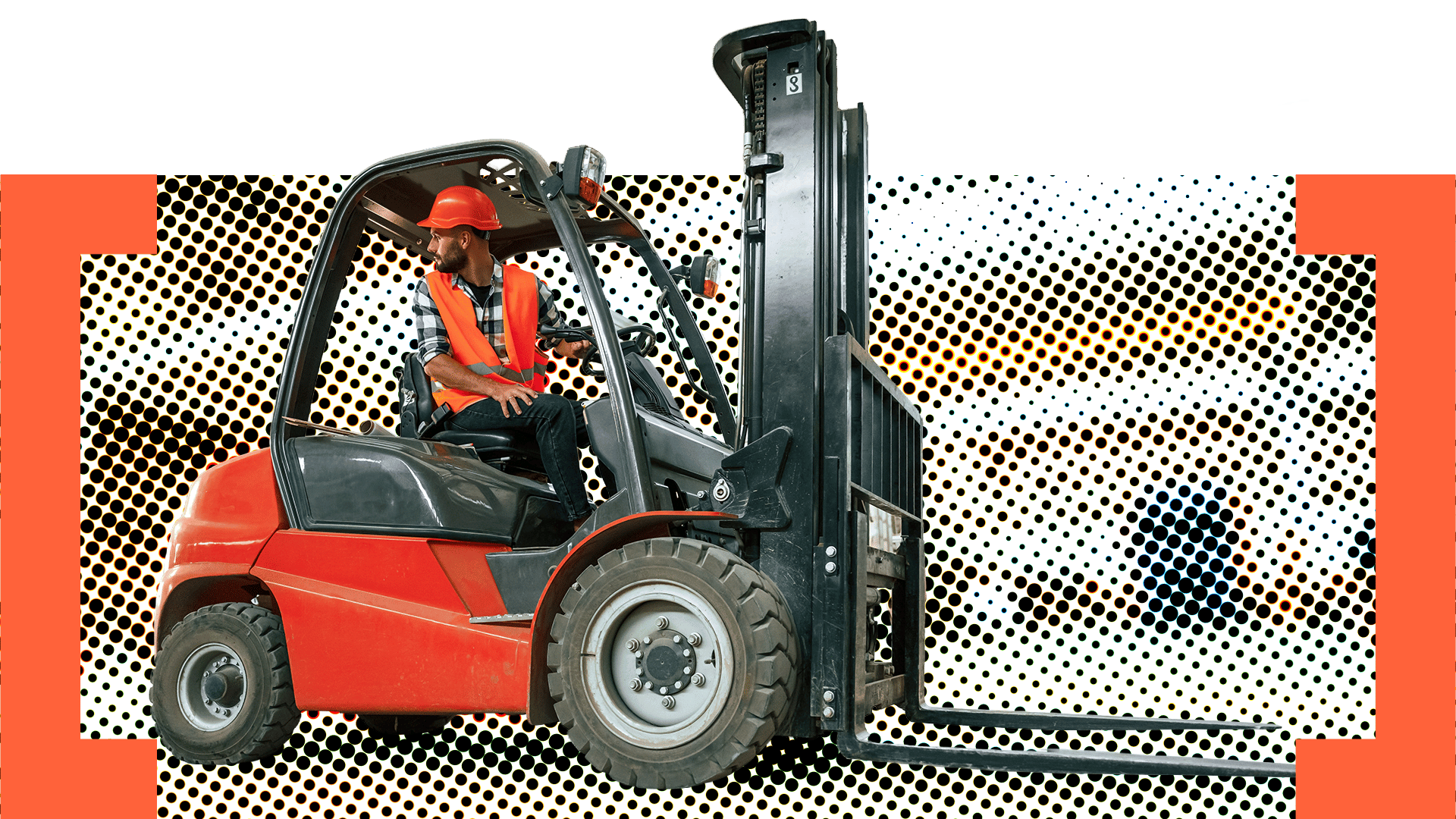
01 - THE TYPES OF DEALS.
Examples of equipment, vehicles and fitouts Dan has funded across his career in lending. Manufacturing, transport, healthcare and food. Every one of them was bought to earn more than it cost.
Click the deals to see what happened.
-
Manufacturing - $600K cutter, cheaper than outsourcing
The need. A metal fabricator wanted to bring laser cutting in-house instead of sending it out to a subcontractor.
The block. A single $600k machine is a large exposure for a business that size, so the usual answer is property security or loading it onto the overdraft. Both work. Both cost the business something it would rather keep: the house as collateral, or the headroom it needs for materials and wages.
The fix. Funded by a lender that lends against the equipment itself and knows what this class of machine is worth second hand. Chattel mortgage over the asset, term matched to its working life, nothing else pledged.
The outcome. $600k funded on the machine alone. That was less than the business had been paying the subcontractor, so it was in front from the first month, and it could quote jobs it used to turn away.
-
Food manufacturing - $400K line, output up
The need. A food manufacturer adding a portioning and packing line.
The block. A line is not one asset. It was several pieces from different suppliers, some imported, installed over months. Asset lenders are built around one asset, one invoice, one settlement, so a staged multi-supplier install falls outside how they work. The usual result is the business funding each piece separately on worse terms, or paying cash for the parts nobody will fund.
The fix. One facility covering the whole line, drawn down against each supplier's invoice as it fell due, with the term starting once the line was commissioned rather than at the first drawdown.
The outcome. $400k funded across the line. Output up, and the people who had been portioning by hand moved onto work that actually needed them.
-
Medical - $1M fit out, working capital untouched
The need. A practice opening new location. Around $1m across chairs, imaging, sterilisation and the build itself.
The block. A fitout splits in two and lenders treat the halves very differently. They will fund equipment, because they can take it back. They will not fund partitions, cabling and plumbing in a leased premises, because they cannot. That leaves the practice paying for the works in cash, during the one period when cash is already stretched.
The fix. Funded it as two facilities rather than one. Equipment on asset finance against the gear, the non-recoverable fitout on a separate facility priced for what it is, and both structured so repayments started when the rooms opened rather than during the build.
The outcome. The full $1m funded with working capital untouched. All completed on time and consulting rooms billing from the week they opened.
-
Transport - $250K truck, on the road day one
The need. An operator had won a new contract and needed another prime mover to service it.
The block. The business had grown since its last tax return, so the financials understated what it was actually doing. And a signed contract is not income yet. Assessed on paper alone, the business looked smaller than it was and the truck looked like a stretch.
The fix. An asset lender that reads the equipment and the trading record rather than a single year's tax return. Approved on that basis and settled ahead of the contract start date.
The outcome. $250k funded and truck on the road for day one of the contract. The contract covers the repayment several times over, and the asset stays on the books once it is paid off.
-
Hospitality - $500K roaster, paid for by new accounts
The need. A wholesale roaster whose output was capped by the machine it had, turning away accounts it could not supply.
The block. A commercial roaster at this size is specialised kit with a thin resale market in Australia. An assessor who does not know the asset class discounts it heavily, the funding comes in under the purchase price, and the business has to find the gap in cash on top of a machine it is already stretching for.
The fix. A lender that knows what these machines are worth and funds them to purchase price, with the facility covering freight and commissioning rather than the invoice alone.
The outcome. $500k funded and up and running. The wholesale accounts it had been turning away became the thing paying for the machine.
-
Professional services - $140K car at business rates
The need. A director replacing the company vehicle.
The block. Two things at once. At this price the vehicle sits well above the depreciation cost limit, so how it is owned and financed changes the tax position materially, and that is an accountant's question before it is a lender's. Separately, plenty of lenders read a vehicle at this price as a lifestyle purchase rather than a business asset, which moves both the rate and the appetite.
The fix. Settled the structure with their accountant first, then matched it to a lender that funds prestige vehicles at business rates on a chattel mortgage, with a balloon set against realistic resale rather than a round number.
The outcome. $140k funded at business rates with a 30% balloon to match the value of the car when it’s replaced next.
Need this approach on yours?
That’s enough to start. Let’s have a fifteen minute chat and you’ll know where you stand.
02 - WHO COMES TO US.
Usually one of two moments. One of them in particular can give you more options than the other.
-
Tooling up
You've found the asset. Maybe you've already committed to it. Now you need the finance sorted, and the seller wants an answer.
We can work at this speed. It just means fewer options, because the lenders who move fastest aren't always the ones with the best terms for your situation.
-
Ready before you need it
No specific asset yet, but you know the business will need something in the next six months. Set the facility up now, with time to compare properly.
Then you negotiate like a cash buyer, because effectively you are one.
03 - WHAT WE FUND.
-
On wheels
Cars, utes and light commercial vehicles
Trucks, trailers and prime movers
Buses, coaches and specialist transport
-
Plant and machinery
Excavators, loaders and earthmoving plant
Manufacturing and production machinery
Agricultural equipment and farm machinery
-
Fit-outs and technology
Hospitality fit-outs and commercial kitchen equipment
Medical, dental and veterinary equipment
IT hardware, servers and point of sale systems
-
Assets you already own
Refinancing existing equipment onto better terms
Sale and leaseback to release the cash tied up in an asset
Both new and used, including private sale purchases
If it's something the business uses rather than consumes, it can usually be financed. If you're not sure, ask us.
04 - WHY BLOC.

The dealer's finance isn’t your only option.
Dealer and manufacturer finance is convenient, and convenience has a price attached. It's one lender, one set of terms, presented at the moment you've already decided you want the thing.
A separate facility means the finance is settled before you walk in, the negotiation is about the asset rather than the repayment, and the structure is built around your business rather than the dealer's target.
05 - THE PROCESS.
How your facility comes together.
No mystery, no chasing. You'll always know where you stand and what's next.
-
01 · The conversation
What the asset is, what it's for, and when you need it. Usually a short call rather than an hour.
-
02 · The honest read
What you're likely to be approved for, what it'll cost, and what the lender will want to see.
-
03 · The facility
Approved and ready, whether you've found the asset or not. Settlement happens when you're ready to move.
-
04 · Next time
Once a lender knows your business, the second and third assets are considerably less work.
06 - HOW LONG IT TAKES.
Simple equipment and vehicle deals move quickly. With a clean trading history and the invoice in hand, it can be as quick as 24 hours from application to approval.
Larger facilities, fitouts and anything needing full financials take longer, usually a week to a fortnight.
Setting the limit up before you need it is the real speed play. When the asset turns up, the funding is already there.
07 - YOUR PROTECTIONS.
Which rules apply to your lending.
Worth knowing up front, because it changes what protections you have.
Asset finance for business purposes generally sits outside the National Consumer Credit Protection Act, the law that governs home loans and consumer lending. Fewer statutory protections, more room for lenders to price and structure as they see fit.
If the asset is for personal use rather than the business, different rules apply and we'll tell you which.
Either way, you'll know which regime your deal sits in before you sign anything. Our standards don't change with the regime.
08 - QUESTIONS.
Questions we’re often asked.
-
Often a matter of days for a straightforward purchase with clean financials. More complex structures or unusual assets take longer. We'll give you a realistic timeline once we know what the asset is.
-
Yes, and it's the better way to do it. A pre-approved facility means you can negotiate on the asset rather than the repayment, and you're not making a finance decision under time pressure.
-
Often, yes. Both narrow the range of lenders willing to look at it, and some will want an inspection or valuation. It's a common reason a deal gets declined elsewhere and approved with the right lender.
-
For a straightforward facility, often very little beyond business details and the asset information. Larger amounts usually need financials, BAS and an ATO portal summary. We'll tell you which category you're in before you start gathering anything.
-
It depends on your cash flow and what you intend to do with the asset at the end of the term. A balloon lowers your repayments and leaves a lump sum owing later. We'll set out both positions so you can weigh it, and your accountant should have a view on the tax side.
-
The treatment depends on the structure and your circumstances, and it's a question for your accountant rather than us. We can explain how each structure works, and they can tell you what it means for your tax position.
-
For most asset and equipment finance, the lender pays us a commission when the facility settles and there's no fee to you.
Larger or more complex facilities sometimes carry a work fee. That covers the time it takes to put a proper case together before anyone knows whether it'll fly. If your deal is one of those, we'll tell you the number and what it covers before we start. Never after.
-
Yes, a short engagement letter. It covers what we're doing for you, what it costs (if anything), and what we'll each need from the other.
We'll walk you through it before you sign anything, and you're welcome to have your accountant take a look.
09 - JARGON.
-
You own the asset from day one, the lender holds security over it. The most common structure for business purchases.
-
The lender owns the asset and you lease it. Different tax treatment, different end position.
-
Closer to renting. You use it for a term and hand it back, with no ownership at the end.
-
A lump sum owing at the end of the term. Lower repayments along the way, one large payment at the finish.
-
What the asset is assumed to be worth at the end of the term. It sets the balloon.
-
An application assessed on fewer documents. Available in some cases, usually with a trade-off in rate.
-
Buying from an individual rather than a dealer. Some lenders won't fund it, which narrows the field.
-
Selling an asset you already own to a financier and leasing it back, to release the cash tied up in it.
Asset finance jargon, said plainly.
10 - HOW WE GET PAID.
Usually no charge to you. The lender pays us a commission when the facility settles, and we tell you what it is before you commit.
On complex deals we sometimes charge a structuring fee. If that applies to yours, you will know the number before we start any work.
Where a lender builds our commission into the cost of your facility rather than paying it separately, we show you exactly where it sits.
Let's build something big.
A short conversation, no obligation. Tell us what the business needs and we'll go to work on finding the right lender for it.